Gold and Silver Are at Record Highs — Should You Sell Your Old Jewelry and Coins?
Gold blew past $4,000 an ounce and silver is near $60. That drawer of broken chains and inherited coins is worth more than it's ever been. Here's how to cash in without getting fleeced.
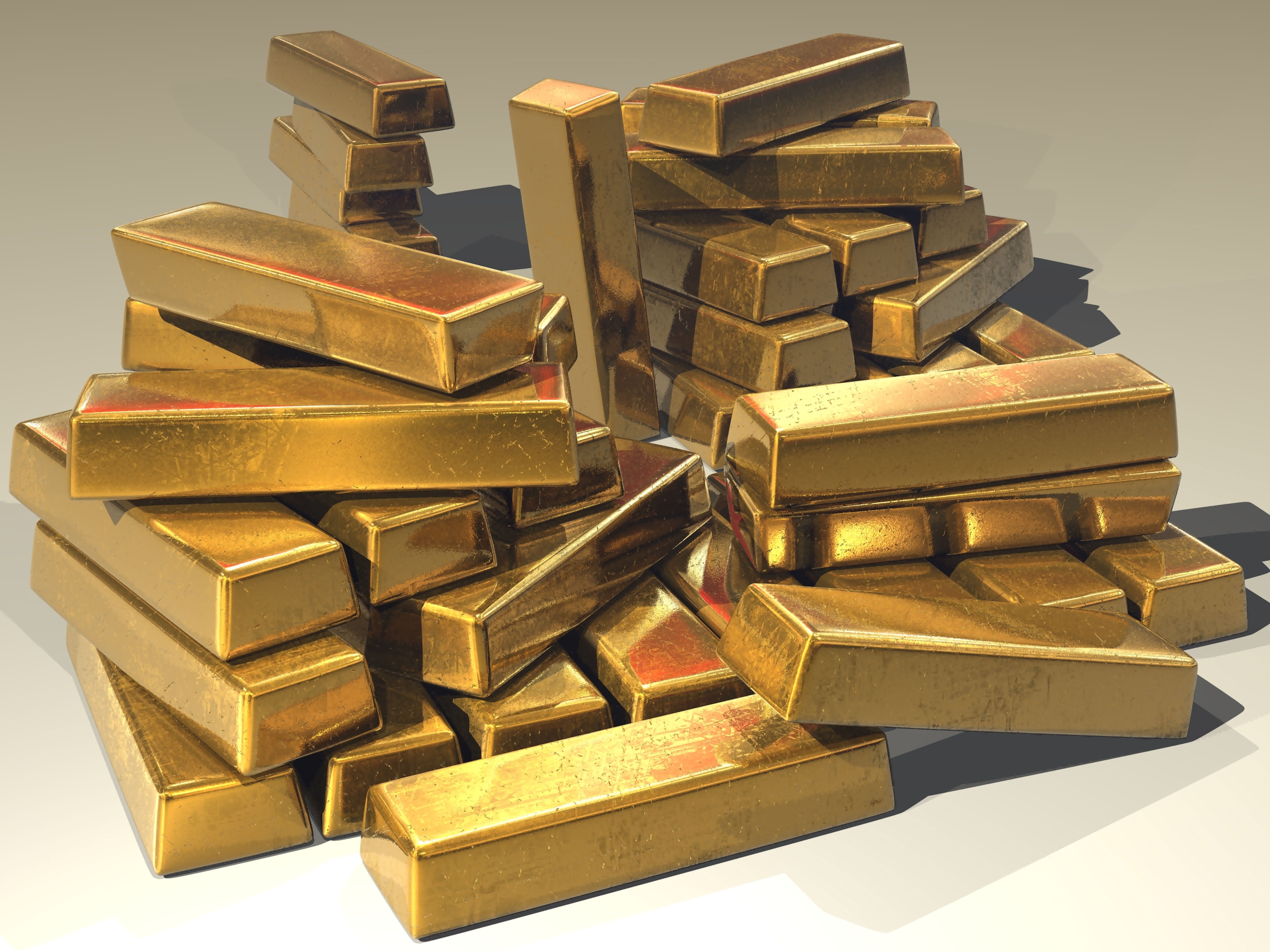
There’s a good chance you’re sitting on more money than you think — in a drawer. As of mid-2026, gold has pushed past $4,000 an ounce and silver is near $60, both at or around record highs. That means the tangled chains, single earrings, dented class ring, and shoebox of “grandpa’s coins” in your closet are worth more today than at almost any point in history.
If you’ve been meaning to declutter and make some real cash, the timing is genuinely unusual — this isn’t a “sell your stuff for pennies” situation. Done right, cleaning out a jewelry box at these prices can be one of the better-paying hours in your month. Done wrong, you hand most of the value to a middleman who’s counting on you not knowing what you have. You can eyeball where prices sit right now on our live gold and silver tracker; this guide covers everything else.
First: figure out what you actually have
Sort everything into two piles, because they sell in completely different ways and for wildly different amounts.
- Scrap / melt value — broken jewelry, mismatched pieces, bent chains, anything worn, dated, or unwearable. This is worth its metal content, period. Nobody is paying extra for the design of a snapped chain.
- Collectible / numismatic value — coins, and occasionally intact antique, designer, or signed jewelry. These can be worth far more than melt because of rarity, mint year, condition, or a brand name. A common-looking silver dollar can be worth many times its silver content to the right buyer.
The single most expensive mistake people make is selling a collectible as scrap. Never hand coins to a “cash for gold” counter that only weighs them — you can turn a $40 melt payout into a several-hundred-dollar sale, or worse, let someone melt down something genuinely rare. When in doubt, treat every coin as a potential collectible until a specialist tells you otherwise.
How scrap gold and silver are actually priced
The math isn’t mysterious, and knowing it is your entire defense against a lowball offer. Buyers count on customers who have no idea what their gold is worth. Don’t be that customer.
- Weigh it. Precious metals are priced by the troy ounce (about 31.1 grams — slightly heavier than the kitchen ounce). A cheap jewelry scale that reads in grams costs a few dollars and pays for itself instantly.
- Find the purity. Gold is stamped in karats: 24k is pure, 18k is 75%, 14k is 58.3%, 10k is 41.7%. Sterling silver is 92.5% pure, usually stamped “925.” Look for these tiny marks on clasps, inside rings, or on the back of pendants. No stamp doesn’t always mean fake — but it means you should get it tested.
- Do the melt math. Melt value = weight × purity × the current spot price. So 10 grams of 14k gold with gold at $4,000/oz is roughly
(10 ÷ 31.1) × 0.583 × $4,000 ≈ $749of gold content. A 1-ounce sterling silver piece at $58/oz holds about0.925 × $58 ≈ $54of silver.
No honest buyer pays 100% of melt — they need a margin to stay in business — but a fair offer for scrap is usually 80–90% of melt. If someone offers you 50–60%, thank them and walk. Here’s the key: getting the melt number before you walk in flips the entire dynamic. You stop hoping an offer is fair and start checking it against a figure you already calculated. That confidence alone is worth hundreds of dollars.
Where to sell — and where not to
Where you sell matters as much as what you sell. The convenient channels are almost always the worst-paying ones.
- Local coin and bullion shops — usually your best bet for both scrap and collectible coins. Crucially, get two or three quotes the same week. Offers vary more than you’d ever expect for the identical item, and you have zero obligation to take the first one. Competition is the only leverage you have, so use it.
- Reputable coin dealers or auction houses — for anything that might be genuinely collectible. Pay for an appraisal first if the stash is meaningful; a good appraisal costs far less than the value it can uncover.
- Pawn shops — fine as a price check or for fast cash, but they typically pay less than a dedicated buyer. Use them to compare, not as your only stop.
- Avoid the mail-in “cash for gold” envelopes and the pop-up hotel-ballroom buyers. These are the classic lowball channels. They’re convenient, and they charge for that convenience with your money. The moment you mail your gold away, every ounce of your negotiating leverage is gone — and “we already melted it” is a conversation you can’t win.
Practical notes: bring photo ID (most shops are legally required to record it), sell in person whenever possible, and do not clean coins — cleaning can strip a collectible coin’s value in seconds. Weigh everything at home first so you can spot a “thumb on the scale.”
Don’t forget the tax angle
The IRS treats physical gold and silver as collectibles, and a profit when you sell is technically a taxable capital gain. For most people cleaning out a jewelry box, the amounts are small and this is a non-issue. But if you’re selling a substantial stash — especially inherited coins or bullion that has appreciated a lot — keep a simple record of what you sold, when, and for how much, and check with a tax pro. Inherited items get a “stepped-up” cost basis to their value when you inherited them, which usually works in your favor. Better to know the rules now than to be surprised at tax time.
Should you sell right now?
Price is only half the decision. A few honest gut-checks:
- Broken, unworn, or unloved? Sell. At these prices, converting dead metal into cash is a clear win — this is the rare kind of decluttering that actually pays real money. That snapped chain isn’t getting fixed; let it fund something you’ll use.
- Sentimental or heirloom? Slow down. Money isn’t the only thing on the table. Record prices will tempt you to sell things you’ll later wish you’d kept — grandma’s ring is still grandma’s ring at any spot price. No number makes that call for you, and regret doesn’t have a resale value.
- Trying to sell at the exact top? Don’t try to time it. Prices could keep climbing or pull back next month — nobody knows, including the experts on TV. If a piece has been sitting in a drawer doing nothing for years, today’s near-record price is already a fantastic exit. “Great” beats “perfect” every time.
Turn the momentum into more cash
Once you’re in a selling mood, that jewelry drawer probably isn’t the only thing gathering dust and value. Old electronics, phones, DVDs, and general clutter convert to cash too, and the same principle applies — know the value, avoid the lowball channel, get more than one offer. See how Decluttr works for tech and media, and our guide to selling used DVDs for cash for the shelf nobody’s touched in a decade. And if the metals bug bites and you find yourself wanting to understand the buying side — stacking silver, coins as a hobby or hedge — start with buying and selling silver.
The bottom line
Record-high metal prices don’t come around often, and the last thing you want is to look back in a year having sold grandpa’s silver for half its worth to a mail-in envelope. The whole game comes down to three habits: know what you have (scrap vs. collectible), know what it’s worth (weight × purity × spot), and make buyers compete (two or three quotes, in person). Do those three things and that quiet drawer becomes one of the best-paying cleanouts you’ll ever do.