How to Write an Invoice (the Simple Way That Gets You Paid)
Sending your first invoice shouldn't feel like filing taxes. Here's exactly what goes on one, line by line — plus a free tool that builds it for you.
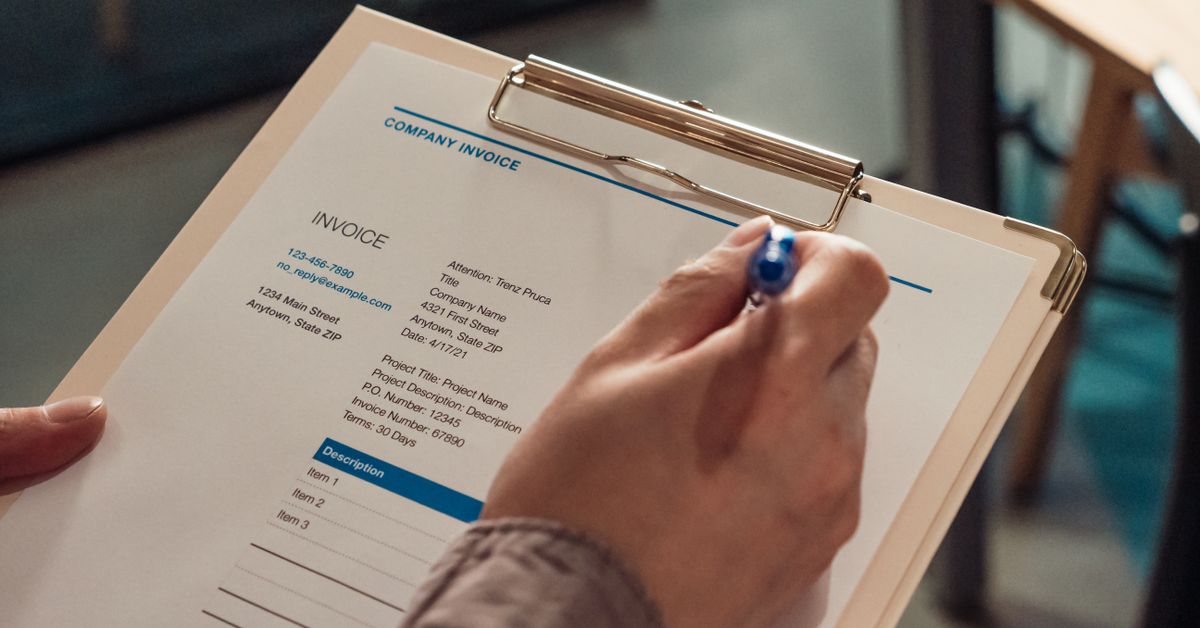
You did the work. Now you just need to get paid — and somewhere between “thanks, send me an invoice” and actually getting money in your account sits this slightly intimidating document you’ve maybe never made before. Good news: an invoice is one of the simplest pieces of paperwork in business. Once you’ve seen what goes on one, you’ll never sweat it again.
Want to skip straight to the finish line? Our free invoice generator builds a clean, professional invoice in your browser — fill in the boxes, watch it build itself, and download a PDF with no watermark. It’s free, and nothing you type ever leaves your device. Read on if you want to understand each piece first (you should — it only takes a few minutes).
What an invoice actually is
Strip away the formality and an invoice is just a polite, official-looking way of saying three things: here’s what I did, here’s what you owe me, and here’s how to pay. The clearer and faster a client can understand those three things, the faster you get paid. That’s the whole job. Everything below is in service of making those three things obvious.
The 7 things every invoice needs
You can dress an invoice up however you like, but a complete one always carries these seven pieces. Miss one and you invite a delay — and delays are how a two-week payment becomes a two-month chase.
1. Who you are
Your name or business name, address, and email, right at the top. This tells the client who to pay and who to email when they have a question. If you have a business logo, it goes here too — it makes you look established, which quietly makes people pay faster.
2. Who owes you
The client’s name (or company) and their contact details. If you’re invoicing a business, address it to the specific person or department who actually cuts the checks — “Accounts Payable” beats a generic company name when you want to get paid this month, not next quarter.
3. A unique invoice number
Something like INV-001, then INV-002, and so on. It sounds fussy, but a unique number per invoice keeps both your records and theirs straight, and it’s the first thing an accountant asks for. Never reuse a number.
4. The dates — issued and due
Two dates matter: when you sent it, and when payment is due. “Due on receipt,” “Net 15,” or a specific calendar date all work — just be explicit. A vague invoice with no due date is an invoice that gets paid “eventually.” (Confused by “Net 15” and “Net 30”? We break down invoice payment terms here.)
5. An itemized list of the work
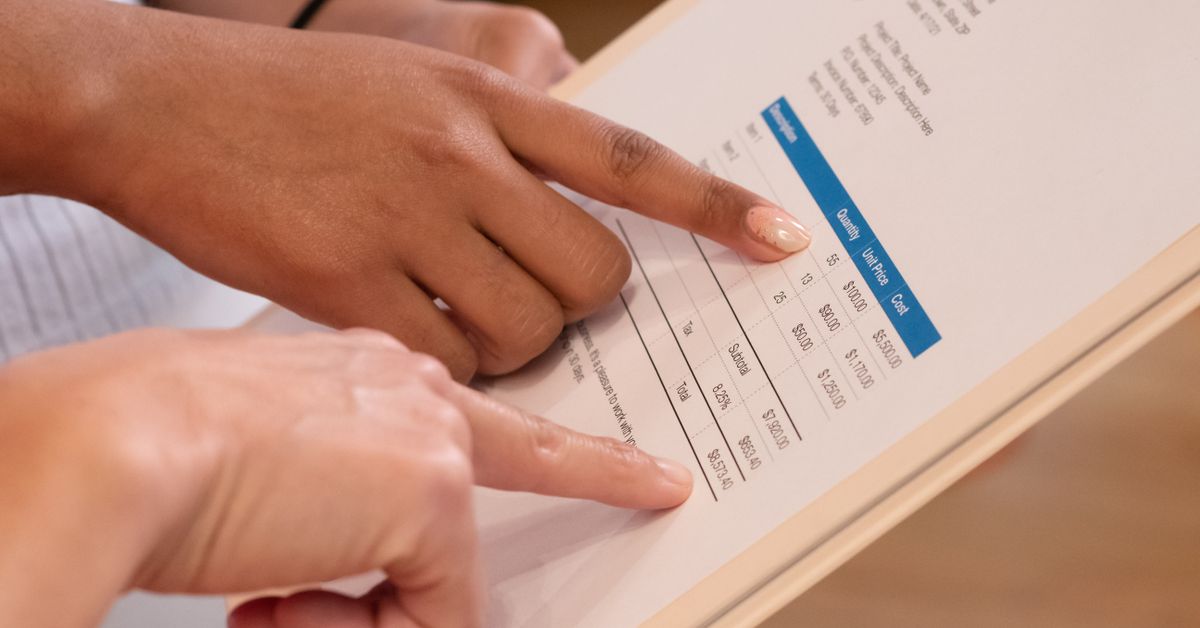
Each task or product on its own line, with a quantity and a rate, so the total is never a mystery. “Web design — $2,000” invites questions. “Homepage design (1 × $1,200), Contact page (1 × $400), Two rounds of revisions (1 × $400)” gets approved. People pay what they understand.
6. Tax, if it applies
If you charge sales tax or VAT, show it as its own line — never bake it into your rates. Clients (and their bookkeepers) need to see it broken out.
7. How to pay, and your terms
Bank details, a payment link, or instructions — plus your terms (when it’s due, any late fee, which methods you accept). This is the line people forget, and then wonder why nobody’s paid them. Make it impossible to misunderstand how to send you money.
Tips that actually get you paid faster
Having a correct invoice is step one. Getting paid quickly is its own skill:
- Send it the day the work is done. Invoices age badly. The longer you wait, the less urgent it feels to the client, and the colder the goodwill.
- Keep terms short. Net 7 or Net 14 unless you’ve agreed otherwise. “Net 30” is common but it’s a full month of you floating someone else’s bill.
- Spell out a late fee (e.g. 1.5% per month) in your terms. You may never charge it, but its presence nudges people to pay on time.
- Use plain descriptions a non-expert can understand — the person approving payment often isn’t the person you worked with.
- Save every invoice. It’s your income record at tax time and your proof if a payment is ever disputed.
Common invoice mistakes to avoid
A few traps that quietly cost freelancers money: forgetting the due date, no invoice number, burying how to pay at the bottom in tiny text, not itemizing (so the client “has questions” and stalls), and — the classic — never following up. A polite nudge a few days after the due date is normal and expected. Silence just trains clients that your invoices are optional.
Let the tool do the heavy lifting
Now you know exactly what belongs on an invoice — and you can absolutely build one in a word processor if you want. But if you’d rather not fuss with formatting, our free invoice generator lays it all out for you: add your details, your client, line items, tax, and notes, and it totals everything up and exports a clean PDF you can email straight away. No watermark, no sign-up wall to see it, and your data stays in your browser.
It pairs nicely with whatever you’re doing to bring in income — whether that’s freelancing on the side, selling on Etsy, or building something of your own. Get the invoice right, send it the day you finish, and getting paid stops being the hard part.