What Is Net 30? Invoice Payment Terms, Explained
Net 30, due on receipt, 2/10 net 30 — the little codes on an invoice that quietly decide when you actually get paid. Here's what each one means.
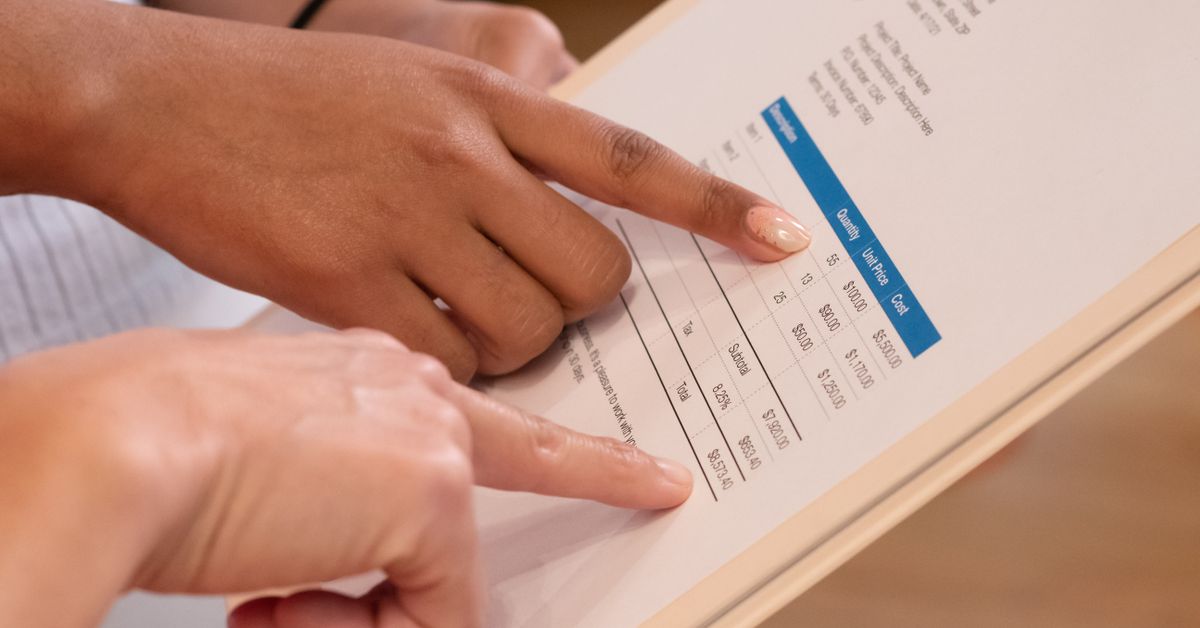
You finish a job, send the invoice, and tucked in the corner is a phrase like Net 30 or 2/10 Net 30. If you’ve ever stared at that and thought “…is that good?” — you’re in the right place. Payment terms are the small print that decides how long you wait for your money, and once you know the handful of common ones, you’ll set them on purpose instead of copying whatever a template had.
Building an invoice right now? Our free invoice generator lets you set the issue and due dates so your terms are crystal clear — fill it in, download the PDF, done. Then come back here to pick the right terms.
What “payment terms” actually mean
Payment terms are just the deal for when and how you get paid, spelled out on the invoice so nobody can claim they didn’t know. They cover the deadline (the big one), any early-payment discount, late fees, and accepted methods. Vague terms are why “I’ll pay you soon” turns into a month of awkward follow-up emails. Clear terms are a quiet form of getting paid faster.
The common terms, decoded
Due on receipt
Exactly what it says: payment is expected as soon as the client gets the invoice. It’s the most aggressive (in a good way) term and great for one-off jobs or new clients you don’t want to extend credit to. Reality check: “on receipt” still usually means within a few days, not the same hour.
Net 7 / Net 15 / Net 30 / Net 60
“Net X” means payment is due X days after the invoice date. So Net 15 = due in 15 days, Net 30 = due in 30 days, and so on. Net 30 is the most common in the business world — but remember, a longer term means you are floating the cost of your work for that whole stretch. For freelancers and small operators, Net 7 or Net 15 is usually the smart default. Faster is better; you can always be flexible with a trusted client.
EOM (End of Month)
Payment is due at the end of the month the invoice was issued. Sometimes written as “Net EOM” or “15 MFI” (15th of the month following invoice). Common with ongoing/retainer work where it’s simpler to settle up monthly.
2/10 Net 30
This one looks like a math problem but it’s a sweetener: “take 2% off if you pay within 10 days; otherwise the full amount is due in 30.” It’s an early-payment discount — you give up a little to get paid a lot sooner. Useful if cash flow matters more to you than squeezing every dollar, and slow-paying clients sometimes jump on it.
Deposit / milestone terms
For bigger projects, you don’t have to wait until the end at all. A 50% deposit up front (and the balance on delivery), or payments tied to milestones, protect you from doing all the work before seeing a cent. For any sizable job with a new client, a deposit isn’t rude — it’s standard.
Which terms should you use?
A few rules of thumb:
- New client or one-off gig? Due on receipt or a deposit. Don’t extend credit to people who haven’t earned your trust yet.
- Freelancer or side-hustler? Net 7–15. You’re not a bank; you shouldn’t lend a month of free financing.
- Bigger company client? They’ll often insist on Net 30 (it’s their internal process). Fine — just price the wait in and send the invoice the second the work is done.
- Cash flow tight? Offer a small early-pay discount like 2/10 Net 30 to pull money in sooner.
How to make terms actually stick
Terms only work if you back them up. Put them in plain language on every invoice. Add a late fee (1–1.5% per month is typical) so there’s a consequence. Take deposits on big jobs. And follow up the moment something’s overdue — a friendly nudge on day one of “late” is normal and expected. Silence just teaches clients your deadlines are suggestions. (If a payment truly goes sideways, our guide on dealing with money owed to you covers the firmer end of the spectrum.)
Put it on the invoice
Knowing the terms is half of it — the other half is stating them clearly where the client can’t miss them. Our free invoice generator gives you issue and due dates plus a notes field for your terms and payment instructions, then exports a clean PDF in seconds. Set Net 15, add “1.5% monthly late fee,” drop in your bank details, and send it the day you finish. New to invoicing entirely? Start with our walkthrough on how to write an invoice and you’ll have the whole thing handled.