Interest Rates Are Still High — Why 2026 Is the Year to Kill Your Credit-Card Debt
When safe cash pays around 4%, your 24% credit card is the single most expensive thing you own. Here's why high rates make debt payoff the best 'investment' on the board right now.
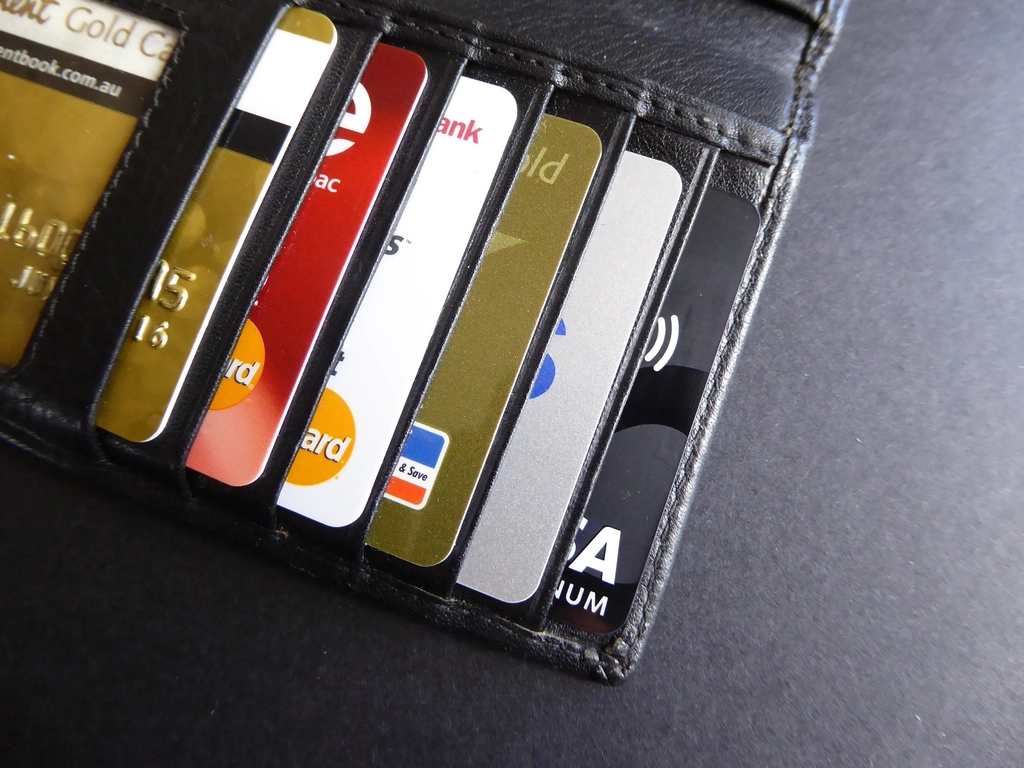
Here’s a question that cuts through most of 2026’s money noise: what’s the best guaranteed return you can get right now? Not a hot stock. Not gold at record highs. Not crypto. For millions of people, the answer is sitting in their wallet — it’s paying off a credit card.
The average credit-card APR is north of 20%, and plenty of cards run 24% or higher. Meanwhile, the best thing you can safely earn on cash is around 4%. That gap is the entire story. Every dollar you throw at a 24% balance earns you a guaranteed, tax-free 24% return — something no investment on earth can promise you. In a high-rate environment, paying off debt isn’t the boring, second-place alternative to investing. It’s frequently the single best investment you can make, and it’s not close.
Let’s break down why the math is so lopsided, which debts to attack first, and how to actually get it done.
Why high rates flip the whole equation
When money was nearly free, carrying a balance was merely expensive. Now it’s genuinely brutal — and the reason is compounding, running in reverse, against you.
Consider a $6,000 balance at 24% APR:
- It costs you about $1,440 a year in interest alone — before you’ve paid down a single dollar of what you actually bought.
- Paying only the minimum can stretch that balance out for well over a decade, and by the end you’ll have paid more than double the original amount.
- That’s roughly $120 a month evaporating into interest on a $6,000 balance. Pay it off and you’ve effectively given yourself a $120/month raise — tax-free, guaranteed, starting immediately.
Now hold that next to the investing side. The stock market has historically returned around 7–10% a year on average — and that’s a hope, not a promise, with plenty of down years mixed in. There is no safe investment that reliably beats 24%. So paying the card isn’t just competitive with investing; it mathematically crushes it. Run your own balances through our credit card payoff calculator — for most people, seeing the total interest in plain dollars is the motivation they were missing all along.
Watch your variable-rate debt especially
Fixed-rate debt is a known, stationary enemy — the rate is what it is. The sneaky danger in a high-rate era is variable-rate debt, where the rate floats up along with the market and can climb even on money you already borrowed:
- Credit cards are almost all variable. Your APR can rise on your existing balance, not just on new purchases.
- HELOCs and home equity lines typically float too, so a rising-rate environment quietly raises your payment.
- Adjustable-rate mortgages (ARMs) can reset painfully higher when their fixed period ends.
- Some private student and personal loans carry variable rates as well — check yours.
If a chunk of your debt has a rate that moves, prioritize it. You’re not just paying today’s high rate — you’re carrying the risk of it going even higher from here, with no cap on the pain.
The order of attack
Not all debt deserves the same urgency. Sort everything you owe by interest rate and go to war with the top of the list:
- Anything above ~10% — attack now. Credit cards, payday loans, high-rate personal loans, buy-now-pay-later balances that have gone sour. This is money on fire; every extra dollar here is your best possible use of cash.
- The messy middle (roughly 6–10%). Car loans, some student loans, moderate personal loans. Pay these down steadily — but after you’ve built a starter emergency fund, so a surprise expense doesn’t send you straight back to the credit card.
- Low-rate debt (under ~5%). A 3% mortgage from years ago, a subsidized student loan? No rush at all. You can safely earn more than that rate on cash today (see where to park your cash), so aggressively prepaying cheap debt often makes you poorer, not richer. Don’t sacrifice everything to kill debt that’s cheaper than a savings account.
For the top tier, the math-optimal method is the debt avalanche: pay minimums on everything, then aim every spare dollar at your highest-rate balance first. Once it’s gone, roll that payment onto the next-highest, and so on. It minimizes total interest paid.
If you need momentum more than mathematical perfection, the debt snowball (smallest balance first, regardless of rate) delivers quick wins that keep you motivated — and the best method is always the one you’ll actually stick with. A method you follow beats a “better” one you abandon. Our debt payoff calculator lets you compare both side by side and see your real payoff date.
Practical ways to accelerate
Knowing the strategy is half of it; here’s how to feed it more cash:
- Balance-transfer cards. A 0% intro APR offer can pause the interest bleeding entirely for 12–21 months — if you have the discipline to pay it down before the promo ends and you don’t run the old card back up. Mind the transfer fee, and treat it as a payoff tool, not breathing room to spend.
- Find the extra payment in your budget. Even an extra $100/month radically shortens the timeline and slashes total interest. If money’s tight, our guide to making credit-card payments on a tight budget has concrete ways to free up cash.
- Throw windfalls at it. Tax refund, bonus, birthday money, the proceeds from selling stuff you don’t use — route it straight to the highest-rate balance instead of letting it dissolve into everyday spending.
- Call and ask for a lower rate. It sounds too simple, but card issuers do sometimes lower an APR for a customer with a good payment history who asks directly. A five-minute phone call has real odds of a real payoff.
Where debt payoff sits versus investing
The classic question — should I invest or pay off debt? — has an unusually clean answer while rates are high: a guaranteed 24% beats a hoped-for 8% every day of the week. Clear the high-rate stuff first, then pour into investing.
The one big exception is an employer 401(k) match — that’s an instant 50–100% return you should never leave on the table, even while paying down cards. Capture the full match, attack the high-rate debt, then invest the rest. We walk through the complete decision, including the edge cases, in invest or pay off debt. If you’re carrying student loans specifically, pay off student loans or invest covers that fork in the road.
And if you’re ready to not just pay down the cards but break the cycle for good, how to escape debt and get rid of credit cards lays out the full plan.
The bottom line
High interest rates are painful when you’re the one paying them — and a rare, genuine opportunity when you flip them around. Nowhere else can you lock in a guaranteed, tax-free, double-digit return with zero risk. In 2026, the smartest and safest money move for most people isn’t chasing a market or timing a commodity. It’s aiming every spare dollar at that highest-rate balance and watching the most expensive thing you own disappear for good.