Credit Card Tips
Best Bank Account For Teenagers in 2026
One of the biggest and most important life lessons you can never teach a teenager is how to manage their money.
Live prices
Money tools
Banking · SWIFT / BIC lookup
Enter an 8- or 11-character SWIFT/BIC code to see the bank and branch it belongs to. A quick human check keeps the tool from being abused.
Example SWIFT CHASUS33ARP
JPMORGAN CHASE BANK, N.A.
For reference only. Always confirm the exact SWIFT code and bank details with your recipient before sending an international payment.
A SWIFT code is a standardized ID for a bank in the international payment system. It is also called a BIC, short for Bank Identifier Code, and the two terms mean the same thing. When money crosses borders — a wire transfer to an overseas account, or a payment landing from abroad — the SWIFT code is what tells the network which bank sits on the receiving end. It plays the same role internationally that a routing number plays for payments inside the US. Paste a code into the box above and this tool returns the bank and branch it belongs to, along with the country, which is handy for confirming where an international transfer is actually headed.
A SWIFT code is 8 or 11 characters, and each part means something. The first four letters are the bank code (for example, CHAS for JPMorgan Chase). The next two letters are the country, using the standard ISO code (US for the United States). The two characters after that are the location code for the bank’s head office. If the code has three more characters on the end, those identify a specific branch — so an 8-character code points at a bank’s main office, while an 11-character code pinpoints one branch. Knowing this, you can often read a code at a glance: CHASUS33 is JPMorgan Chase in the US, and CHASUS33ARP is one particular Chase processing branch.
Type or paste the code into the box above and run the lookup. The tool checks it against a live banking-data service and returns the single best-matching bank on record — its name, the branch where the code has one, and the country. A quick one-tap human check keeps the service fast and free of automated abuse, and it resets after each search. Use the result to confirm a bank’s identity, not as a green light to send money on its own: always match the exact SWIFT code, account number, and any IBAN against what your recipient or your own bank gives you before you submit an international payment.
These three get mixed up constantly, but they answer different questions. A SWIFT code identifies the bank for international transfers. An IBAN — International Bank Account Number — identifies a specific account, and is used across Europe and much of the world, though not in the US. A routing number is the US domestic equivalent of a SWIFT code, used for ACH and wires inside the country. A cross-border transfer into a European account typically needs the SWIFT code plus the IBAN; a transfer into a US account usually needs the SWIFT code plus the account number. If you are dealing with a US bank, our routing number lookup covers the domestic side.
A few errors trip people up. Confusing the SWIFT code with the IBAN sends a transfer in circles — remember, one finds the bank and the other finds the account, and many transfers need both. Using an 8-character head-office code when the recipient’s bank asked for a specific 11-character branch code can delay a payment. And SWIFT codes are case-insensitive but otherwise exact, so a single wrong character can misroute money. Read the code back one character at a time before you send, and when a payment keeps failing, confirm the exact code with the receiving bank directly rather than reusing one you found elsewhere.
Finding the right SWIFT code is the easy part; the expensive part is the transfer itself. A wire sent through your bank on the SWIFT network often carries a fee of $25 to $50, an exchange rate marked up well above the real mid-market rate, and sometimes extra charges from intermediary banks along the way — and it can take a few business days to arrive. For personal transfers, it is worth comparing the all-in cost against a specialist money-transfer service, which usually shows the fee and the real rate before you send. To see how exchange-rate markups quietly add up, our currency converter shows the mid-market rate that fees are measured against.
Working with bank details? Use the routing number lookup for US payments, the currency converter to check live exchange rates, or browse the full set of money calculators for budgeting, loans, and savings. This page is for general information and is not financial advice.
A SWIFT code — also called a BIC, or Bank Identifier Code — is a standardized 8- or 11-character ID for a specific bank, and often a specific branch, in the international payment network. Banks use it to route cross-border wire transfers to the right institution. It is the global equivalent of the routing number used for domestic US payments.
The first 4 letters are the bank code, the next 2 letters are the ISO country code, and the next 2 characters are the location code for the bank’s head office. An optional final 3 characters identify a specific branch. So an 8-character code points to a bank’s main office, and an 11-character code points to a particular branch.
No. A SWIFT/BIC code identifies the bank, while an IBAN (International Bank Account Number) identifies a specific account at that bank. Many international transfers need both — the SWIFT code to find the institution and the IBAN to find the account. The US does not use IBANs, so a US transfer typically pairs a SWIFT code with an account number.
You can find it in your bank’s app or website (often under wire-transfer or account details), on a statement, or by asking your bank directly. If someone is sending you money from abroad, give them your bank’s SWIFT code along with your account number. This tool looks up which bank a code belongs to — it can’t retrieve your personal account details.
The lookup hits a live banking-data service, so a quick Cloudflare Turnstile check and a per-IP limit keep bots from hammering it. It is a one-tap box, not a puzzle, and it resets after each lookup.
Often not. A bank wire over the SWIFT network can carry a $25–50 fee, a marked-up exchange rate, and intermediary-bank charges, and can take several days. For personal transfers, specialist services usually show the fee and real exchange rate upfront and cost far less. Always compare the all-in cost — fee plus the exchange-rate margin — before you send.
Free · every Sunday
What moved in the markets, the guides worth reading, and what it all means — in one short email. No noise, no bank linking, leave anytime.
One of the biggest and most important life lessons you can never teach a teenager is how to manage their money.
Saving up and having $1000 in your bank account is no easy feat Let me start off by congratulating you on your financial achievement. It's not easy saving up that much money, believe me.
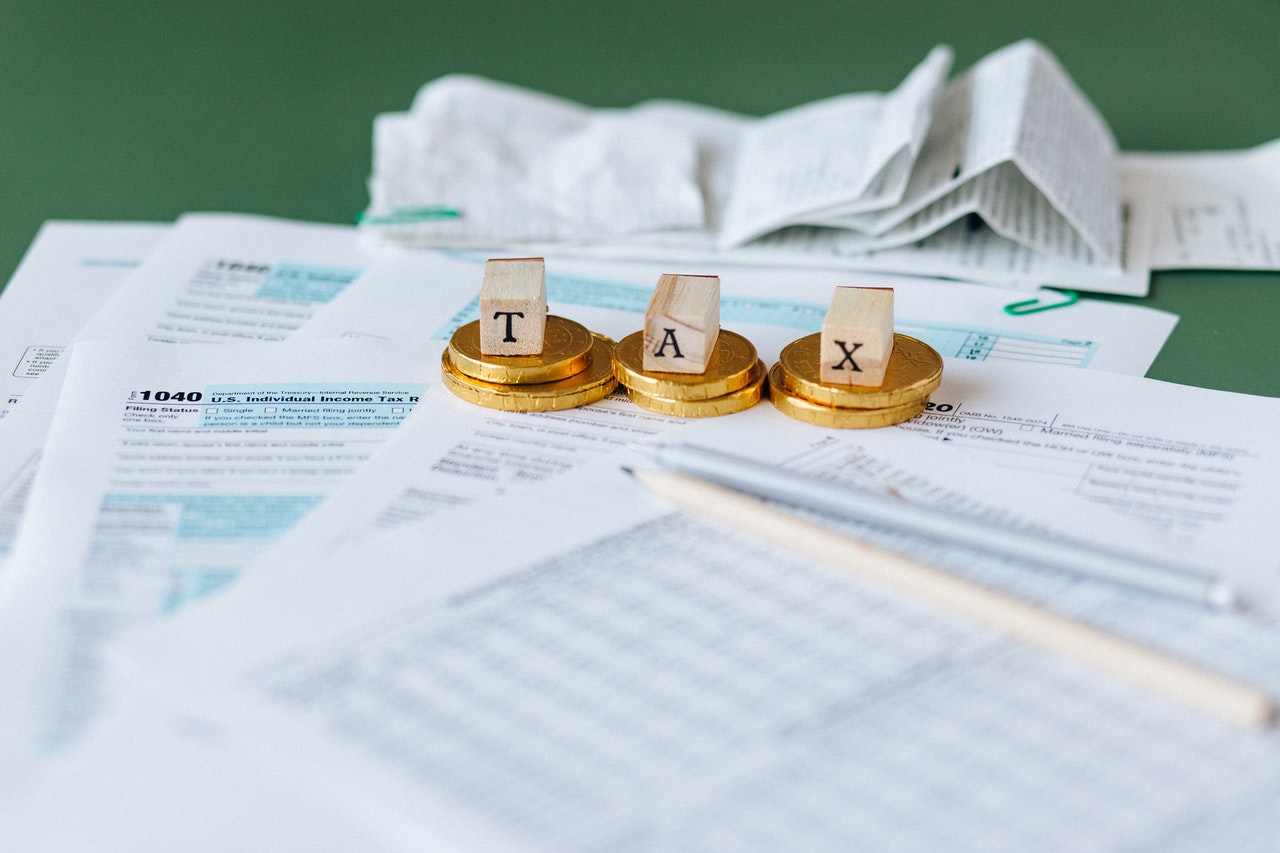
If you find yourself in a situation where you owe the IRS unpaid taxes, then might be wondering can the IRS take money out of my bank account?
The Sunday Digest
Metals, rates and inflation, digested into one short email every Sunday. Free, no bank linking, leave anytime.