Credit Card Tips
Best Bank Account For Teenagers in 2026
One of the biggest and most important life lessons you can never teach a teenager is how to manage their money.
Live prices
Money tools
Banking · routing lookup
Enter a 9-digit ABA routing number to see which bank it belongs to and where it's based. A quick human check keeps the tool from being abused.
Example Routing 121000358
Wells Fargo Bank, N.A.
For reference only. Always confirm routing details with your bank before sending money.
A routing number is a 9-digit code that identifies a specific US bank or credit union inside the payment system. It is sometimes called an ABA routing number, an ABA number, or a routing transit number, after the American Bankers Association that introduced the format back in 1910. When money moves between institutions — a paycheck landing in your account, an electronic bill payment, or a check clearing — the routing number is what tells the network which bank sits on the other end. Paste one in above and this tool returns the institution it belongs to and where it is based, which is handy for confirming a deposit slip or checking where an unfamiliar transfer is headed.
A check carries two numbers along the bottom, and they do different jobs. The routing number identifies the bank; the account number identifies you at that bank. Think of the routing number as the address of the building and the account number as the apartment inside it. A payment needs both to reach the right place, but only the routing number is public — banks publish theirs, while your account number stays private. This lookup only resolves the bank behind a routing number. It never exposes anyone’s account, and entering a routing number here cannot reveal a balance or an owner. If you are filling out a deposit form or writing a check, our check writer lays out both lines in the right order.
On a paper check, look along the bottom edge. The string of stylized digits printed there is the MICR line, and the routing number is the first group of nine, in the bottom-left corner, before your account number and the check number. If you do not have checks, your routing number is also listed in your bank’s mobile app or website — usually under account details, account information, or a direct-deposit or “set up direct deposit” screen — and at the top of a paper or PDF statement. Our guide to writing a check shows exactly where each number sits if you want a labeled example.
Type or paste the nine digits into the box above and run the lookup. The tool checks the number against a live banking-data service and returns the bank or credit union on record, along with its city and state. A quick one-tap human check keeps the service fast and free of automated abuse; it resets after each search. Use the result to confirm an institution’s identity — not as a green light to send money on its own. Always match the exact routing and account details against what the recipient or your own bank gives you before you submit a payment.
One bank can have more than one routing number, and the difference matters. Large institutions often use separate numbers for ACH transfers (the network behind direct deposit, payroll, and most online bill pay), for domestic wire transfers, and sometimes for the paper checks printed in a particular region. They are not interchangeable. A wire travels on a different rail than an ACH transfer and may need the wire-specific number to clear, while your employer’s payroll system will ask for the ACH number. When a form or a recipient specifies “ACH routing number” or “wire routing number,” use the one they ask for rather than whichever number you happen to have on hand.
A few errors come up again and again. Using a wire routing number for an ACH payment — or the reverse — can cause a transfer to bounce or sit in limbo. Transposing digits is easy with a 9-digit string, so it is worth reading the number back one digit at a time before you submit it. And routing numbers can change: after a bank merger or acquisition, an old number is often retired and replaced, so a figure that worked a year ago may no longer be valid. If a payment keeps failing, re-confirm the current number with the bank directly rather than reusing a saved one.
Need to put a routing number to work? Use the check writer to lay out a check correctly, build a bill with the invoice generator, or browse the full set of money calculators for budgeting, loans, and savings. This page is for general information and is not financial advice.
An ABA routing number is a 9-digit code that identifies a US bank or credit union in the payment system. It tells other banks where to send money for transfers, direct deposit, and check processing. Each institution can have more than one — for example, different routing numbers for wires versus ACH.
It’s the first 9-digit number along the bottom-left of a check (the MICR line), before your account number. You can also find it in your bank’s app or website, or on a statement. This tool looks up which bank a routing number belongs to — it can’t retrieve your personal account details.
The lookup hits a live banking-data service, so a quick Cloudflare Turnstile check (and a per-IP limit) keeps bots from hammering it. It’s a one-tap box, not a puzzle, and it resets after each lookup.
Use it for reference and to confirm a bank’s identity, but always verify the exact routing and account details directly with the recipient or your bank before sending a payment. A wrong routing number can misdirect or delay a transfer.
Many banks use different routing numbers for different jobs — one for ACH transfers like direct deposit and online bill pay, another for domestic wires, and sometimes a separate number for the paper checks printed in a given region. They are not interchangeable, so use the one the form or recipient asks for. When in doubt, confirm the right number with your bank.
The routing number identifies your bank in the payment network, while the account number identifies your specific account at that bank. A payment needs both. The routing number is public and shared by everyone at the institution; your account number is private to you. This tool only looks up the bank behind a routing number and never reveals account details.
Free · every Sunday
What moved in the markets, the guides worth reading, and what it all means — in one short email. No noise, no bank linking, leave anytime.
One of the biggest and most important life lessons you can never teach a teenager is how to manage their money.
Saving up and having $1000 in your bank account is no easy feat Let me start off by congratulating you on your financial achievement. It's not easy saving up that much money, believe me.
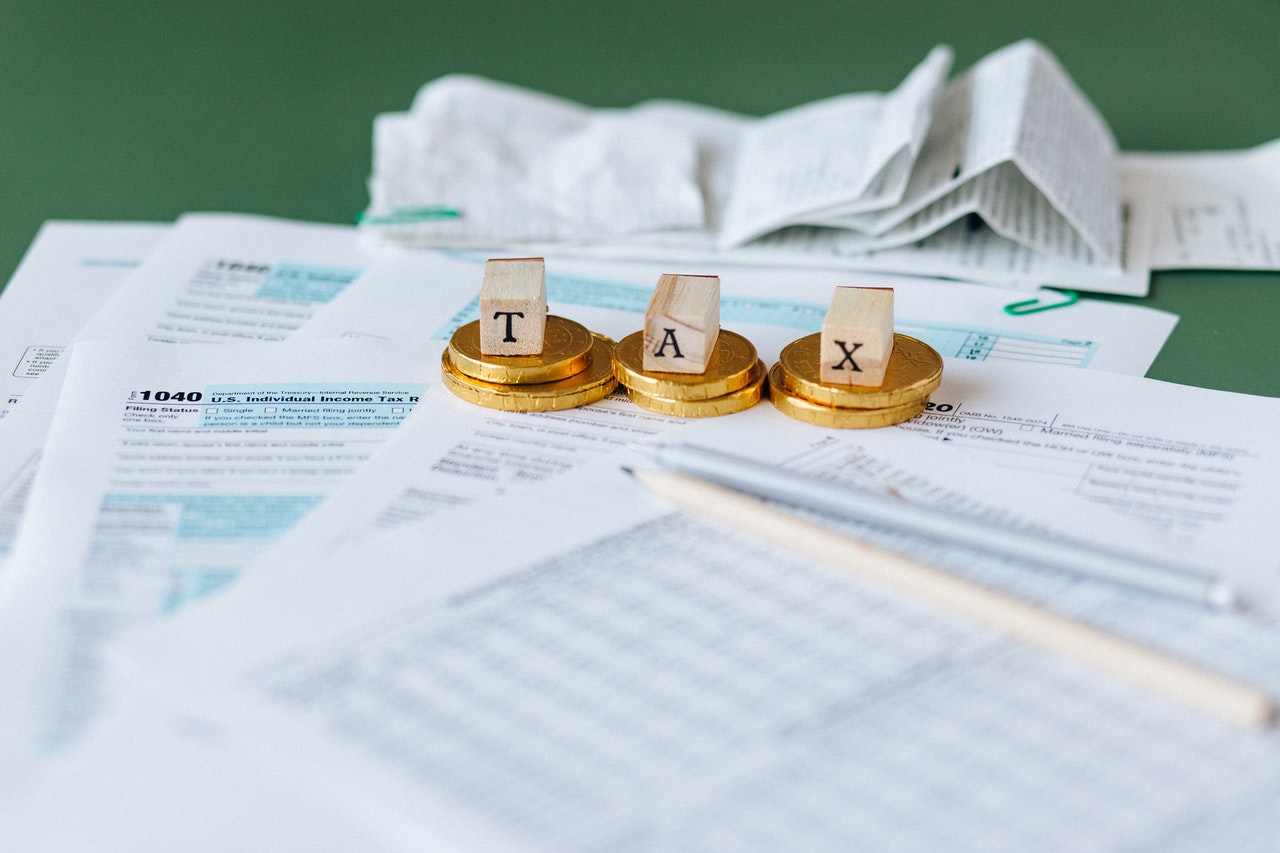
If you find yourself in a situation where you owe the IRS unpaid taxes, then might be wondering can the IRS take money out of my bank account?
The Sunday Digest
Metals, rates and inflation, digested into one short email every Sunday. Free, no bank linking, leave anytime.