How to Manage Your Money
How Long Does An Amended Tax Return Refund Take?
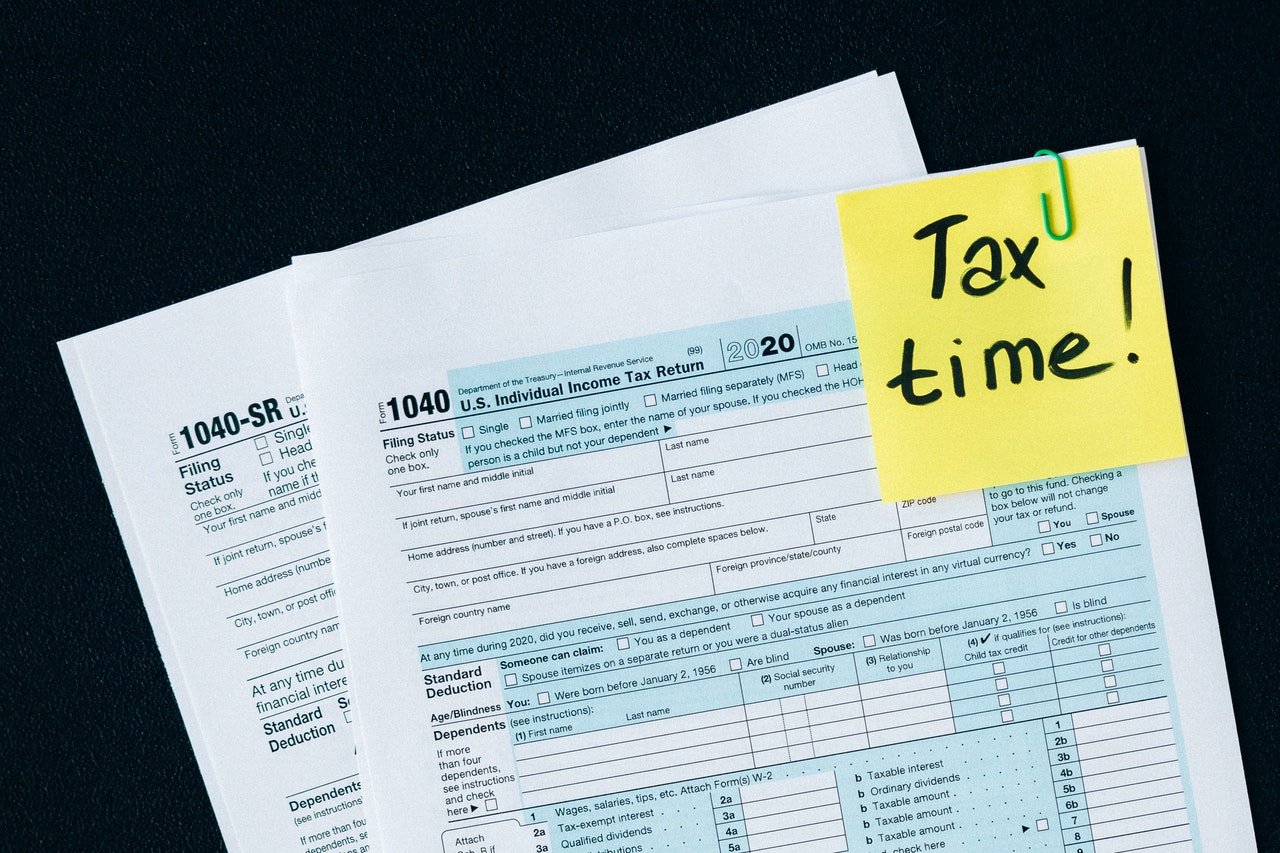
If you've recently submitted an amended tax return and you're wondering how long does it take to get your refund, you've come to the right place!
Live prices
Money tools
Sales tax · combined rate by ZIP
Pick your state and ZIP and we look up the real combined sales-tax rate — state, county, city and special district — then add it to your purchase. Change the amount and the tax recalculates instantly.
How the rate stacks up
There’s no single national sales tax in the United States. Instead, the rate you pay at the register is built up in layers, each set by a different level of government. The state sets a base rate. On top of that, your county can add its own percentage, your city can add another, and one or more special districts — for transit, sports stadiums, tourism, or local development — can add a slice as well. Add them together and you get the combined rate that actually applies to a purchase. That’s why a sticker price of $100 can ring up as $106 in one town and $110.25 a few miles away.
Because three of those four layers are local, the combined rate is tied to a precise location, not just a state. That’s the reason this calculator asks for a ZIP code: a statewide figure is close to useless for budgeting a real purchase. Five states — Alaska, Delaware, Montana, New Hampshire, and Oregon — levy no statewide sales tax at all, though even some of those (Alaska especially) allow local sales taxes, so a ZIP lookup still matters.
Imagine two addresses thirty minutes apart in the same state. The state portion of their rate is identical. But one sits inside a city with a 1% municipal tax and a regional transit district that adds another 0.5%, while the other is in unincorporated county land with neither. Same state, very different totals. Sales-tax jurisdictions don’t follow ZIP boundaries perfectly — they follow city limits, county lines, and special-district maps — but a ZIP is the practical key most rate lookups use, and it gets you the right combined rate for the vast majority of addresses.
When a sale crosses jurisdictions, which location’s rate applies? That’s decided by a state’s sourcing rule. Most states are destination-based: the rate is the one where the buyer takes possession — your delivery address. A handful are origin-based, where an in-state seller charges the rate at their own store or warehouse. For e-commerce, destination sourcing dominates, which is why an online order is taxed at your ZIP, not the retailer’s. If you’re a seller, your sourcing rule determines which rate you must collect, and it’s one of the first things to confirm when you register in a new state.
Sales tax generally applies to tangible personal property: electronics, furniture, household goods, and prepared meals. Many states tax clothing; a few exempt it or cap the exemption. Common carve-outs include groceries (often exempt or taxed at a reduced rate), prescription medication, and certain medical devices. Services were historically untaxed, but states increasingly tax digital goods, streaming, and select services. There are also sales-tax holidays — short windows where back-to-school or emergency-prep items are tax-free. This tool returns the general combined retail rate for a ZIP; whether a specific item is taxable is governed by state law, so treat exemptions as the asterisk on any rate.
Sales tax is one piece of your overall tax picture. To see what the federal government takes from your earnings, run the income tax & refund calculator, and to see what actually lands in your account after every deduction, use the take-home pay calculator. You’ll find the full set on the calculators page. This calculator is an educational estimate of the combined retail rate for a location, not tax advice — for collecting and remitting sales tax as a business, use registered tax software or a CPA.
When you enter a state and 5-digit ZIP, we look up the real rate for that location and add up its parts: the state base rate, the county rate, the city rate, and any special-district rate (transit, tourism, stadium, and similar). The total is the combined rate applied at the register. We apply that rate to your purchase amount to show the tax and the all-in total. Change the amount and it recalculates instantly — the rate is only looked up once per ZIP.
Because most of the rate is local. A state sets a base rate, but counties, cities and special districts each layer their own percentage on top, and those vary block by block. One ZIP might sit inside a transit district or a city with its own add-on while a neighbouring ZIP doesn’t. That’s why a statewide “average” rate is misleading and why the calculator asks for a ZIP rather than just a state.
Sales tax generally applies to tangible goods — electronics, furniture, clothing in many states, restaurant meals. Common exemptions or reduced rates include groceries, prescription drugs, and some medical items, though the rules differ by state. Most services have historically been untaxed, but more states are taxing digital products and certain services every year. This tool gives you the general retail rate for a location; specific product exemptions are set by state law.
It depends on the state’s sourcing rule. Most states use destination-based sourcing, meaning the rate is set by where the buyer takes delivery — your ZIP. A few use origin-based sourcing, where an in-state seller charges the rate at their own location. For online orders shipped to you, destination sourcing is the norm, so the rate at your delivery ZIP is the one that matters.
Often, yes. Since the 2018 Wayfair ruling, states can require out-of-state sellers to collect sales tax once they pass an economic-nexus threshold (commonly $100,000 in sales or 200 transactions into that state). Large marketplaces collect automatically. If you sell online, this tool helps you sanity-check the destination rate you should be charging, but always confirm your nexus and registration obligations with each state.
Treat it as an accurate, up-to-date estimate of the combined retail rate for a ZIP, not tax advice. Rates change when jurisdictions vote them in, and product-level exemptions, sales-tax holidays, and special rules can change what you actually owe on a given item. For collecting and remitting tax as a business, use registered tax software or a CPA — but this gives you a fast, honest read on the rate at any address.
Free · every Sunday
What moved in the markets, the guides worth reading, and what it all means — in one short email. No noise, no bank linking, leave anytime.
If you've recently submitted an amended tax return and you're wondering how long does it take to get your refund, you've come to the right place!
Tax season is upon us, and it's usually not a great time for most people.
Gone are the days when you had to file your taxes using pen and paper. In this day and age, they are various online tax filing Services out there.
The Sunday Digest
Metals, rates and inflation, digested into one short email every Sunday. Free, no bank linking, leave anytime.