How to Pay Off Debt
Invest or Pay Off Debt: Which Is More Profitable?
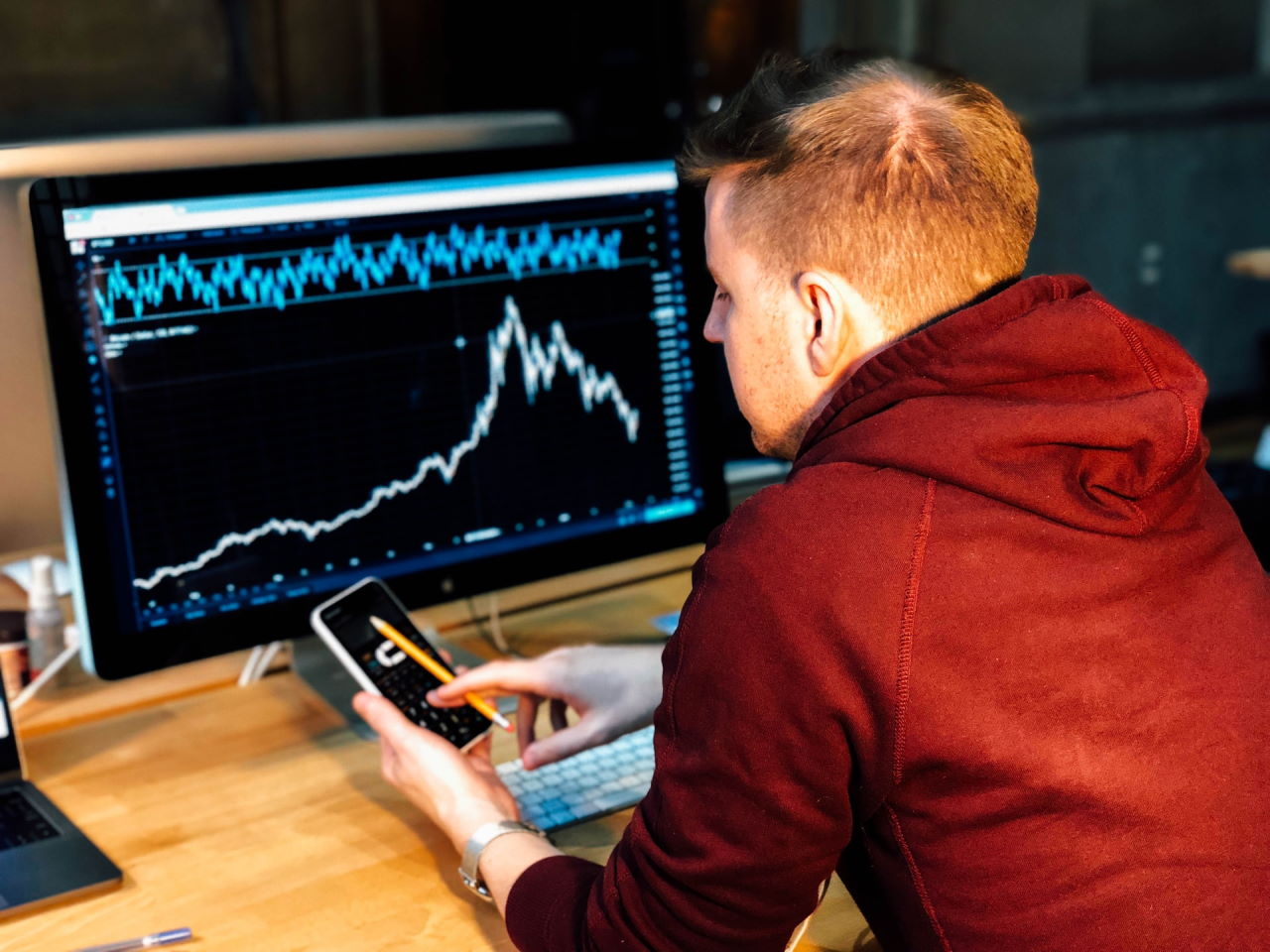
To invest or to pay off debt — the question of the ages. You might think the answer is obvious, but you need to dig a little deeper. Here's how to actually decide.
Live prices
Money tools
Live market status
The badge below answers it for right now — live, this second — followed by today’s trading hours, whether the market is open tomorrow, and a countdown to the next bell, recomputed in your browser from the exchange’s own local time, so it is always current.
New York Stock Exchange (NYSE)
Checking the market clock…
The regular trading session for US stocks runs from 9:30 AM to 4:00 PM Eastern Time, Monday through Friday. The two big venues — the New York Stock Exchange (NYSE) and the Nasdaq — share those hours, so whether you’re buying an S&P 500 index fund or a single tech stock, the same six-and-a-half-hour window applies. The market is closed every Saturday and Sunday, and on roughly nine holidays a year. That’s it: no overnight session for ordinary stock orders, no weekend trading, just weekdays between the opening and closing bells.
The badge at the top of this page tells you the answer right now. It reads the current time in New York, compares it to today’s session, and shows OPEN or CLOSED with a live countdown to the next bell — so you don’t have to convert time zones or remember whether today is a holiday.
The 9:30–4:00 window is the regular session, but it isn’t the only time trades happen. Pre-market trading typically runs from around 4:00 AM to 9:30 AM ET, and after-hours trading from 4:00 PM to about 8:00 PM ET. These extended sessions exist on electronic networks, and most brokers let retail investors take part — but they come with real trade-offs. Volume is much lower, the gap between bid and ask is wider, and prices can lurch on a single order. Company news, including most earnings reports, drops outside regular hours precisely because it gives the market time to digest before the next open. If you trade these windows, use limit orders and size positions carefully; a market order in thin liquidity can fill at a price you’d never accept at midday.
On top of weekends, the NYSE and Nasdaq close completely on these 2026 holidays:
There are also two early-close days, when the market shuts at 1:00 PM ET instead of 4:00: the day after Thanksgiving (Friday, November 27) and Christmas Eve (Thursday, December 24). When a holiday like Independence Day lands on a weekend, the exchange observes it on the nearest weekday — which is why July 4, a Saturday in 2026, gives you a closed market on Friday, July 3 instead. Because this tool pulls the live session window from the exchange itself, it accounts for these holidays and short days automatically rather than guessing from a fixed calendar.
For next year’s dates and the bond market’s schedule, see the full stock market holiday calendar. Or check a single day: Martin Luther King Jr. Day, Presidents’ Day, Good Friday, Memorial Day, Juneteenth, Columbus Day, Veterans Day, Black Friday and Christmas Eve.
The session is always defined in Eastern Time, because the major exchanges are based in New York. If you live elsewhere, you have to translate: on the West Coast the bell rings at 6:30 AM and the close lands at 1:00 PM; in Chicago it’s 8:30 AM to 3:00 PM; in London, 2:30 PM to 9:00 PM. Eastern Time also observes daylight saving, so the gap between New York and a city that doesn’t shift its clocks changes twice a year. Get the conversion wrong and you can miss the open entirely or place an order into a market that closed hours ago. The live clock here removes the guesswork — it recomputes the open/closed state every second from New York’s actual wall clock, daylight saving included.
Knowing the market’s status shapes what happens to your trade. Place an order while the market is open and it works against live prices immediately. Place the same order while it’s closed and it simply queues until the next session — where it may execute at a meaningfully different price after overnight news or a weekend’s worth of developments. A market order entered Friday night can fill far from Friday’s close once Monday’s open arrives. The open and close themselves are the most volatile, highest-volume stretches of the day, which is why many long-term investors avoid the first and last fifteen minutes and let the middle of the session settle. If you’re a buy-and-hold investor dollar-cost averaging into a fund, the exact minute matters far less — but you still want to know your order won’t sit idle over a three-day holiday weekend.
Once you know the market’s open, the next question is what to do with it. Model how a position compounds over time with the investment growth calculator, or check where interest rates sit today — Treasuries, mortgages and savings yields — on today’s rates. New to buying shares? Our guide on how to get free stocks on Robinhood walks through opening a brokerage account and placing your first trade, and if you’re curious about digital assets, how to invest in Bitcoin covers the basics. This page is an informational market clock, not trading advice — for real-time quotes and order routing, use your broker.
The regular US stock market session runs from 9:30 AM to 4:00 PM Eastern Time, Monday through Friday. Both the New York Stock Exchange (NYSE) and the Nasdaq keep these hours. They’re fixed to the Eastern time zone, so if you’re on the West Coast the market opens at 6:30 AM your time, and in London it opens at 2:30 PM. The market is closed on weekends and on roughly nine federal-style holidays each year.
It’s open today if today is a weekday that isn’t a market holiday. The live badge at the top of this page checks the current time in New York and tells you instantly — OPEN or CLOSED — along with a countdown to the next bell. On a normal weekday you’ll see it flip to OPEN at 9:30 AM ET and to CLOSED at 4:00 PM ET. On weekends and holidays it stays closed all day.
Yes, through extended-hours trading. Pre-market runs from about 4:00 AM to 9:30 AM ET and after-hours from 4:00 PM to 8:00 PM ET, though exact windows depend on your broker. These sessions are thinner — lower volume, wider spreads and more volatile prices — so an order that would fill cleanly during regular hours can move the price against you. Many brokers also require limit orders rather than market orders in extended hours.
The NYSE and Nasdaq are closed in 2026 on New Year’s Day (Jan 1), Martin Luther King Jr. Day (Jan 19), Washington’s Birthday / Presidents’ Day (Feb 16), Good Friday (Apr 3), Memorial Day (May 25), Juneteenth (Jun 19), Independence Day observed (Jul 3), Labor Day (Sep 7), Thanksgiving (Nov 26) and Christmas (Dec 25). There are also early closes at 1:00 PM ET the day after Thanksgiving (Nov 27) and on Christmas Eve (Dec 24).
The major US exchanges are headquartered in New York, so the official session is defined in Eastern Time and shifts with daylight saving along with the rest of the East Coast. That’s why “9:30 to 4” always means New York’s clock, not yours. This tool converts the session into your local context for you and recomputes the open/closed state live, so you never have to do the time-zone math in your head.
Not necessarily. The open and the close are the most volatile, highest-volume stretches of the day — great for liquidity, but prices can swing fast. Many long-term investors deliberately avoid the first and last fifteen minutes and trade in the calmer middle of the session. Knowing whether the market is open is step one; if it’s closed, an order you place now simply queues until the next session, where it may fill at a very different price than you expect.
Free · every Sunday
What moved in the markets, the guides worth reading, and what it all means — in one short email. No noise, no bank linking, leave anytime.
To invest or to pay off debt — the question of the ages. You might think the answer is obvious, but you need to dig a little deeper. Here's how to actually decide.
If you Googled the "the best type of investment/heres-how-to-not-be-afraid-to-invest/" you will probably notice that there is a clear divide between stocks and real estate.
Ah yes, the "American Dream" of homeownership. It's been said over and over again how buying a home is the pinnacle of "making it" in America.
The Sunday Digest
Metals, rates and inflation, digested into one short email every Sunday. Free, no bank linking, leave anytime.