Top 5 Best Personal Finance Apps
Keeping track of our finances and saving can be challenging. Between busy lives and packed schedules, somehow we're supposed to juggle bills, budgets, and savings too? Thank goodness for personal finance apps.

Keeping track of our finances and saving can become quite challenging! To top off our busy lives and schedules, somehow we’re supposed to manage bills, budgets, and savings? I think not! Thank goodness for Personal Finance Apps!
I’ve taken the liberty of putting together a list of the top 5 best personal finance apps that will help you succeed in managing your finances and reaching your financial goals! Heads up — the app landscape has shifted a lot in the last couple of years (a few of the old favorites shut down or got bought out), so this list is fully updated with what’s actually worth using today.
1. Credit Karma
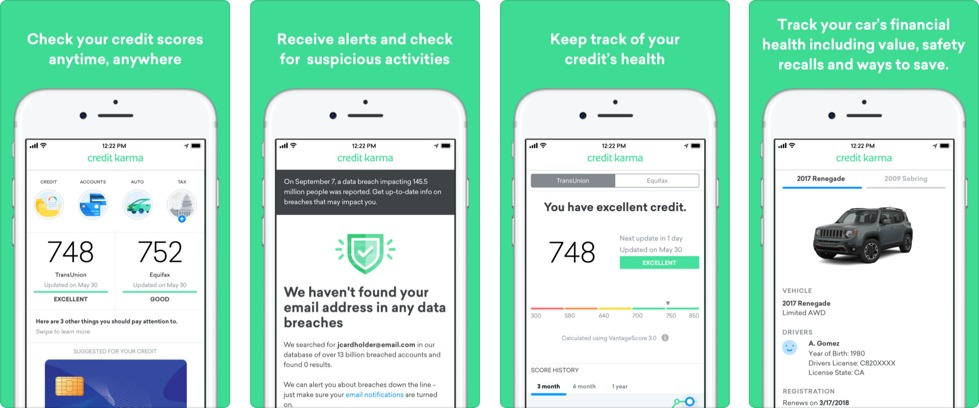
I cannot recommend Credit Karma enough! I personally use this app very often when checking my credit score and have set up credit alerts to keep a close eye on my credit score. (Fun fact: when Mint — the old budgeting giant — shut down in early 2024, Intuit folded a lot of its features right into Credit Karma, so it does more than just credit scores now.)
It’s very interesting to dive deep into your financial history, and by doing so, may uncover items that you weren’t aware of or had even forgotten about. A bad credit score negatively affects your creditworthiness, so it’s always important to keep track of your score.
The app also provides great tips and tricks on how to improve your score, and also gives suggestions and recommendations on credit products based on your score.
2. Acorns
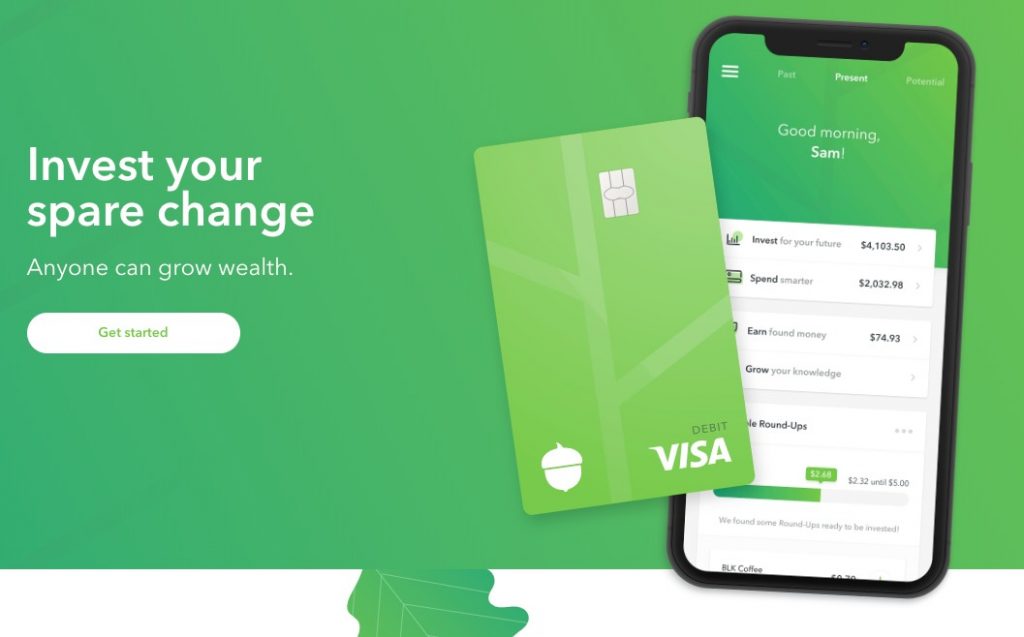
This app is almost a must for the beginner investor that wants to begin investing and take control of their finances. The app is designed to invest very small amounts for you by rounding up to the nearest dollar whenever you make a purchase.
For example, if you spend $19.10, the app will take $0.90 and invest it for you! You can also customize how much it should take, and what portfolio you’re interested in investing in. Super easy to use for the beginner! Highly recommended.
3. Rocket Money (formerly Truebill)
Rocket Money is primarily focused on helping you keep track of bills and recurring charges, and letting you know when payments are due! I can say from personal experience that it’s easy to forget a bill or two — or a sneaky subscription you stopped using — when juggling tons of payments. (You might remember this app as Truebill; it got renamed to Rocket Money a few years back.)
The app connects to your accounts, tracks all your bills and subscriptions in one place, and flags when something is due. Its standout feature is spotting subscriptions you forgot about and even negotiating some of your bills down on your behalf.
From there, you get a clear picture of your recurring spending without having to log into a dozen different billers, making it super easy to avoid late payments, fees, and money quietly leaking out every month.
Available for iOS and Android
4. Empower (formerly Personal Capital)
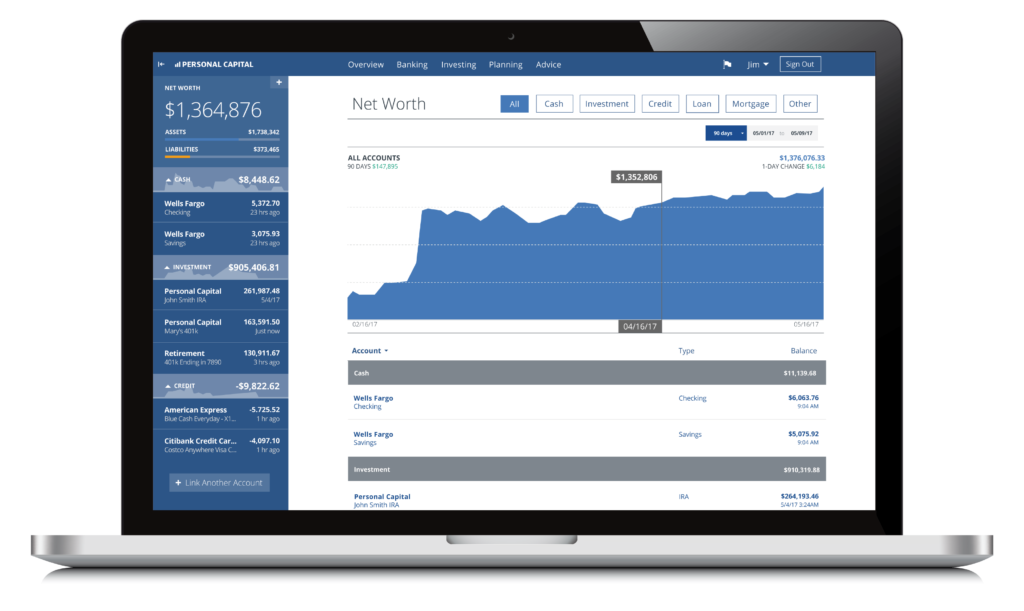
I have written multiple articles and mentioned this one so many times, I think I should work for them or something! Ha! (Quick note: Personal Capital rebranded to Empower a while back — same powerful free dashboard, new name.)
This tool is completely free and connects to almost every single bank, retirement account, mortgage lender — you name it, it’s got it! It breaks down your spending, income, bills, and keeps track of your assets. Use it as an indicator of your current net worth.
You can use it to set a path for retirement and to plan large purchases or expenses like weddings, trips, etc, and it lets you know if you’re on track. And if you’d rather not hand a third party every login, we built our own free live money dashboard right here that tracks your net worth and budget — no account aggregation required. Either way, knowing your number is the whole game.
Available for iOS and Android
5. Monarch Money
For years this slot belonged to Mint — the most well-known budgeting app out there. But Intuit shut Mint down in early 2024, and the app most former Mint users flocked to is Monarch Money, so that’s who earns the #5 spot now.
Monarch allows you to connect your accounts and use that info to build a budget that actually fits your life. It lets you categorize expenses, track net worth, set goals, and get a clean overview of how your finances look every month. Unlike Mint, it’s subscription-based rather than ad-supported, which means no constant credit-card upsells cluttering your dashboard.
If you’re not ready to pay for a budgeting app, that’s exactly why we built our own free dashboard and a full set of free calculators — start there, and graduate to a paid app only if you want the automatic bank syncing.
Available for iOS and Android
Final Thoughts
I hope you like this curated list of the best personal finance apps and hopefully, they will make your financial goals come to life, and make life a little simpler!
An app on its own is just part of the arsenal. One more very important piece is to actually budget your finances! Start with our beginner’s guide to budgeting, then put real numbers to your goals with our savings goal calculator and emergency fund calculator — all free, no app download required.
Whichever app you land on, the tool matters less than the habit. Pick one, connect your accounts, and check in weekly. That’s the whole secret. :)